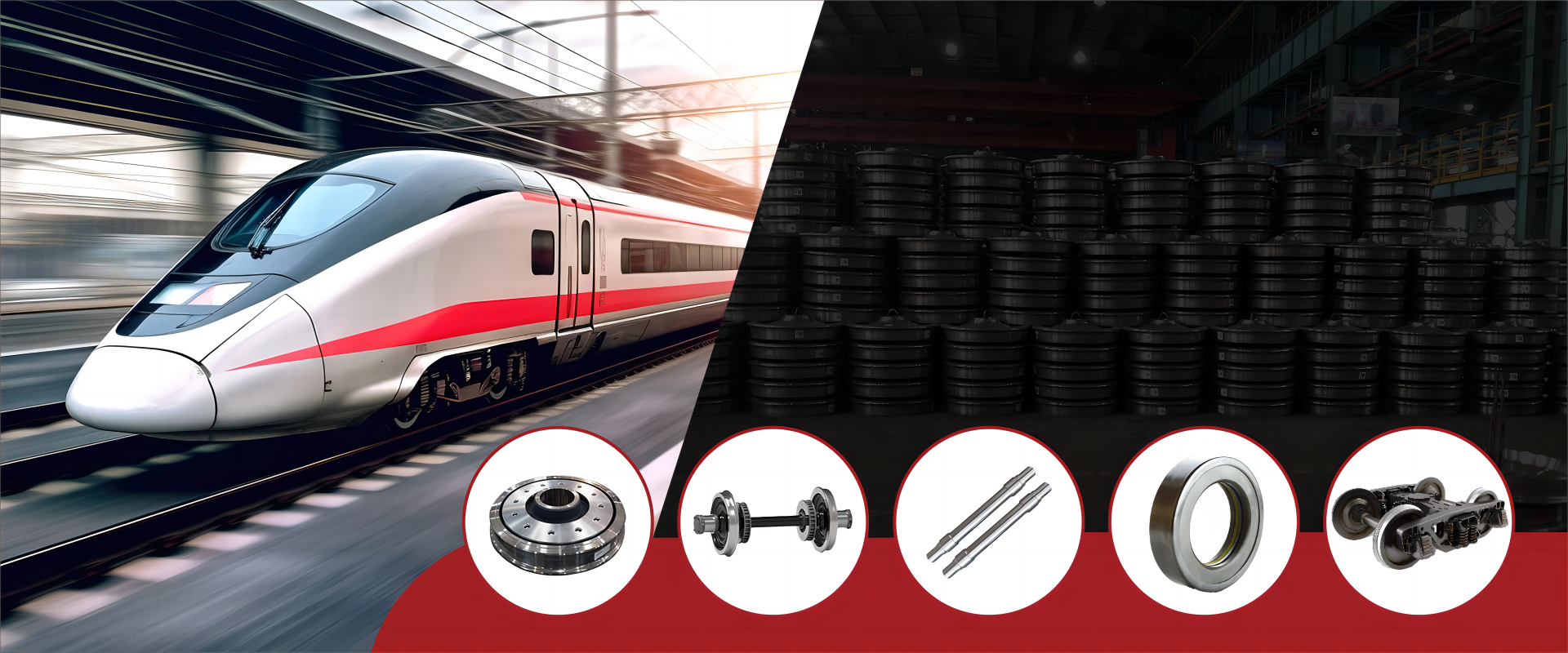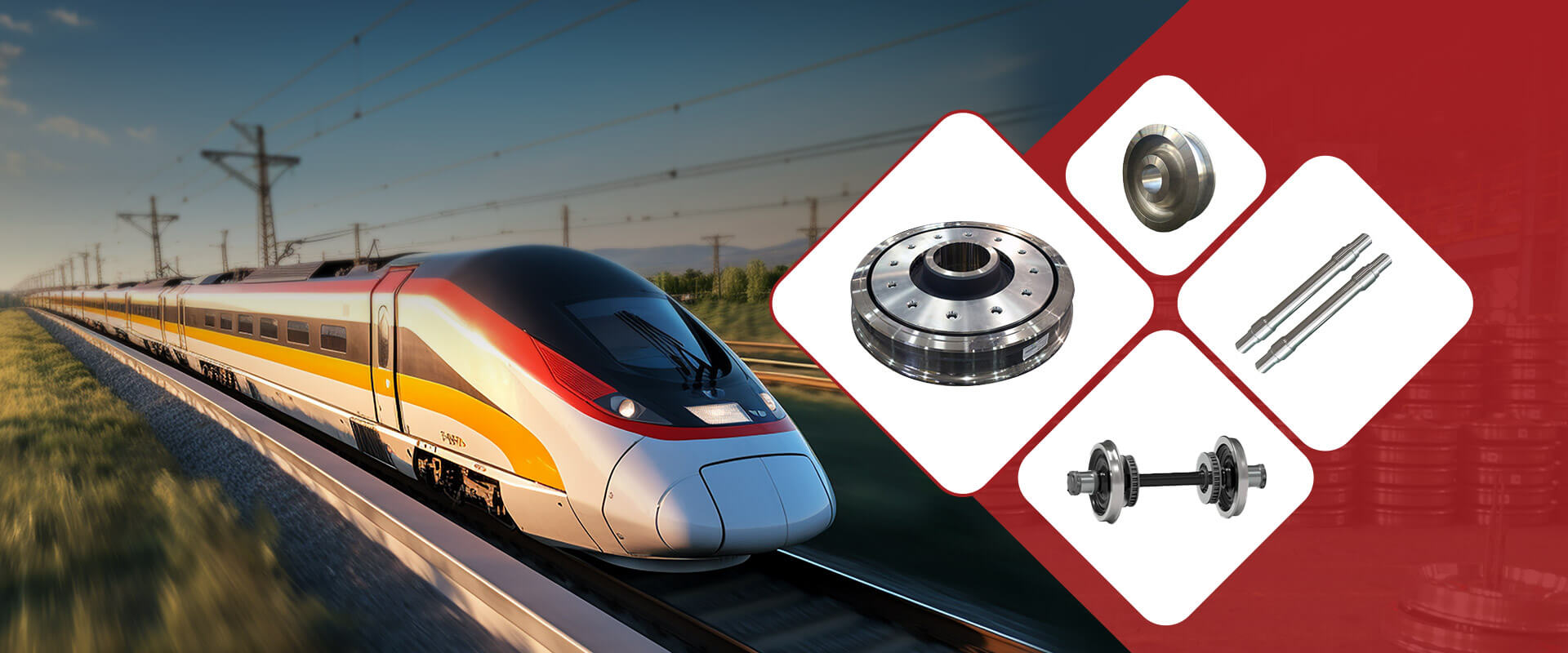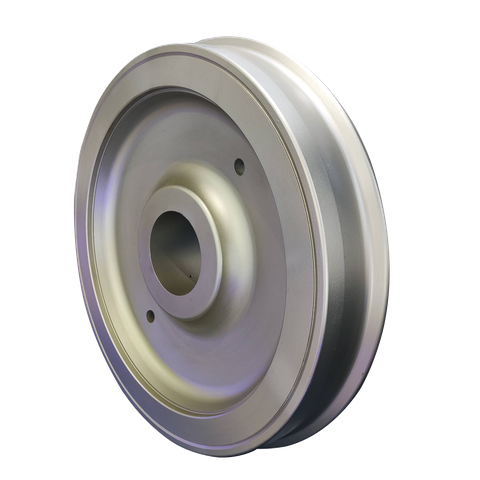


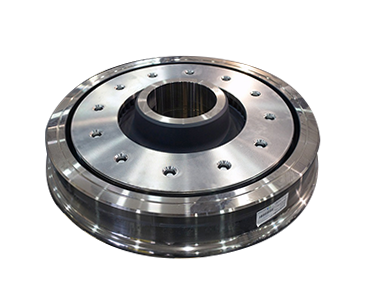
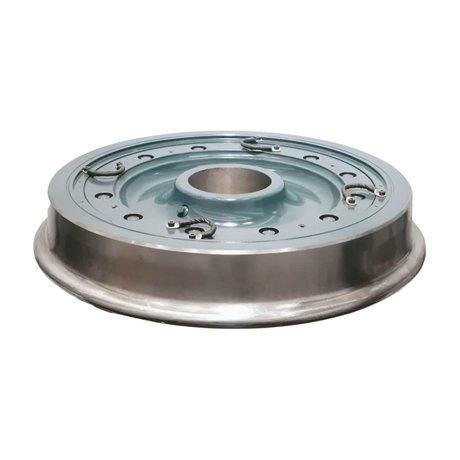

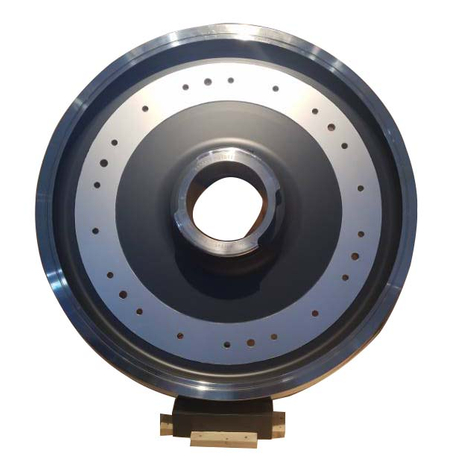
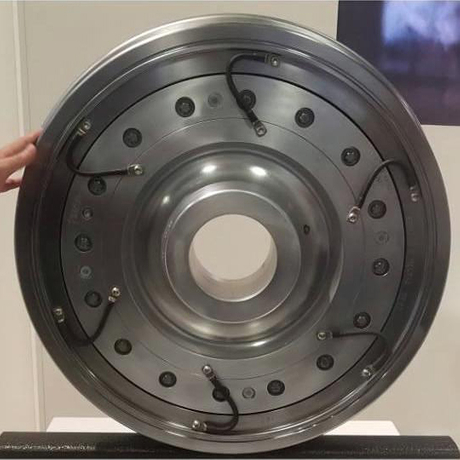
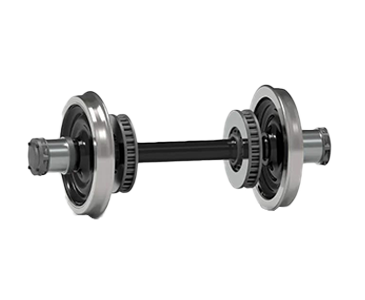

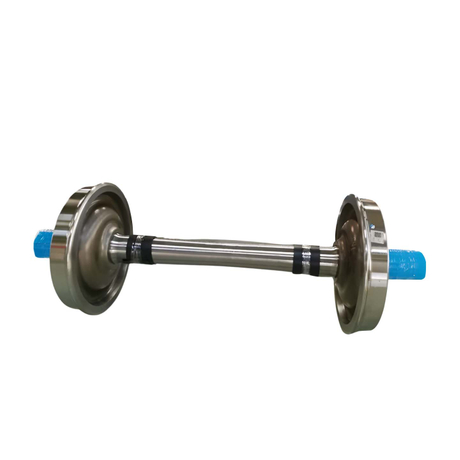
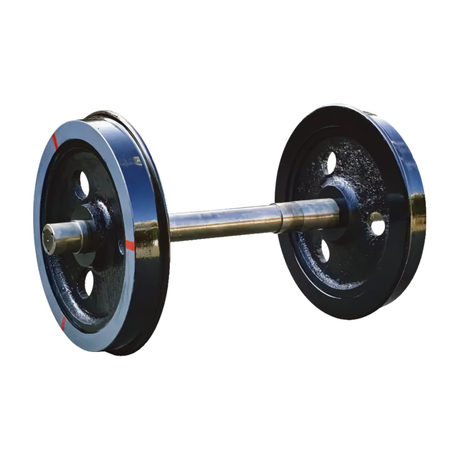
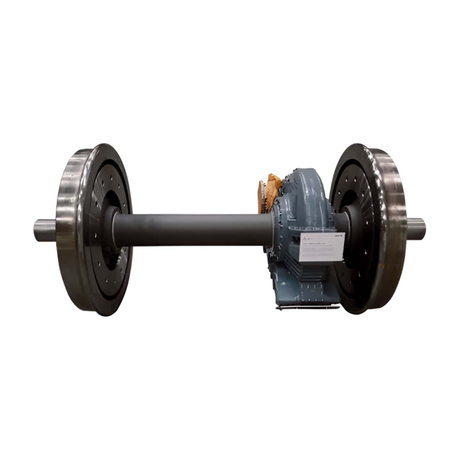


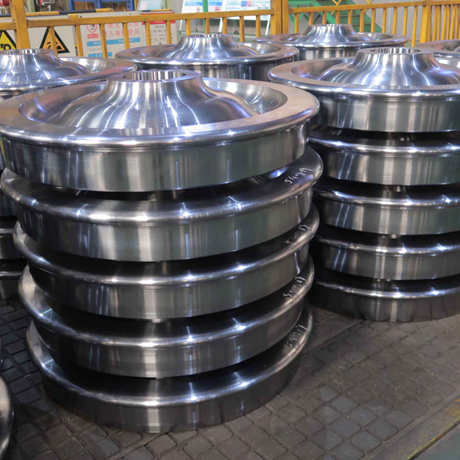


Railway wheel prices vary depending on manufacturing processes, material specifications, wheel dimensions, order quantity, technical standards, and logistics. Understanding these key factors helps buyers evaluate railway wheel quotations, identify the reasons behind price differences, and compare suppliers more effectively. This article explains how production methods, heat treatment, inspection requirements, packaging, and delivery terms affect railway wheel costs. By comparing technical specifications and total purchasing costs rather than focusing solely on unit prices, buyers can make more informed decisions and find a railway wheel supplier that meets their project requirements.
View More
From September 5 to 7, 2026, Ma'anshan Tianjun Machinery Manufacturing Co., Ltd. (MTJ) shipped a total of 3,408 WMR1000A freight car wheels to Mauritania over three consecutive days. This shipment highlights MTJ's ability to coordinate large-volume railway component deliveries and serve customers in
View More
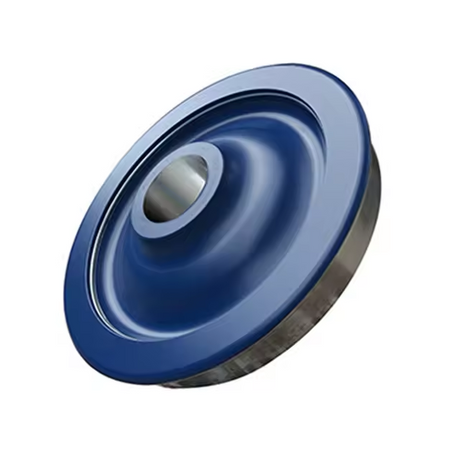
A resilient railway wheel is designed to reduce vibration and certain types of wheel-rail noise. It is commonly used in trams and selected urban rail vehicles where noise control and passenger comfort are important.Unlike conventional solid steel wheels, a resilient railway wheel incorporates an ela
View More